Iboga vs Ibogaine
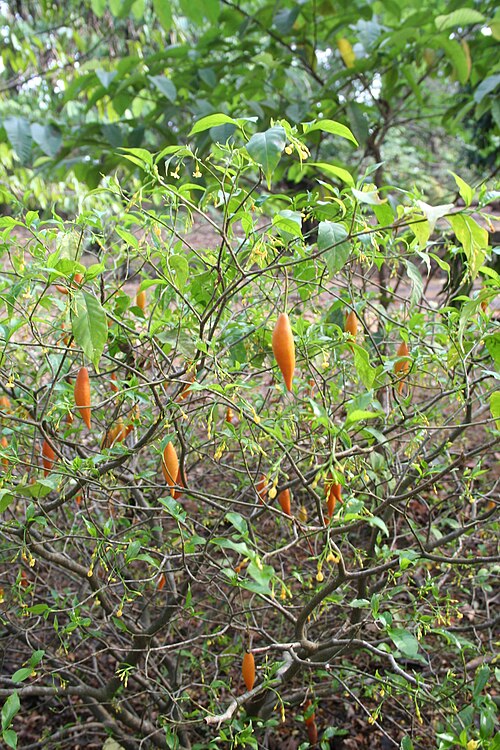
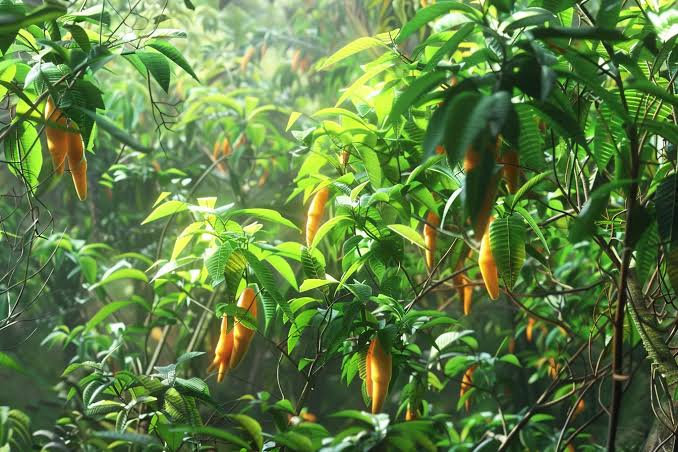
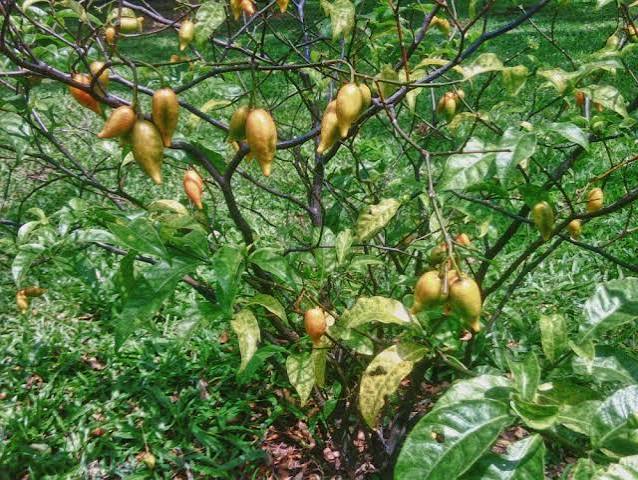
Iboga is the root bark of a West African shrub, containing more than thirty alkaloids. Ibogaine is one of those alkaloids, isolated and purified. The names are used interchangeably almost everywhere, and they should not be.
Knowing which is which is genuinely useful when you are comparing providers. The two forms come from different traditions, suit different goals, and nearly all published research describes ibogaine rather than whole root bark. This page lays out the difference plainly.
The difference in plain terms
| Iboga | Ibogaine | |
|---|---|---|
| What it is | Whole root bark of Tabernanthe iboga | One alkaloid isolated from that bark |
| Composition | 30+ alkaloids including ibogaine, ibogamine, ibogaline, tabernanthine | A single compound, usually as ibogaine hydrochloride |
| Dosing | Alkaloid content varies between harvests, so dosing depends on practitioner experience | Precise and repeatable, measured in mg/kg |
| Typical setting | Ceremonial and psycho-spiritual work, often in the Bwiti tradition | Clinics, primarily for interrupting opioid dependence |
| Published outcome research | Essentially none | Small observational studies, no large randomised trials |
| Cardiac risk | Present | Present |
Where we fit
Whole-plant iboga, held ceremonially
Revela does not provide ibogaine or medical detox. Our work is the whole root bark, held ceremonially, one guest at a time — and the 22 weeks of integration that follow, the stage almost everybody skips and the one that decides whether any of it holds.
If you are in active physical dependence, iboga ceremony is not the right first step, and our screening will say so plainly. Talk to us first and we will tell you honestly whether iboga is appropriate for your situation.
Which form suits which goal
Whole root bark tends to suit
- Psycho-spiritual work rather than detoxification
- People drawn to the Bwiti ceremonial tradition
- Trauma, meaning, and long-standing patterns
- Those who want the ceremony held rather than clinically managed
Isolated ibogaine tends to suit
- Interrupting active opioid dependence
- Anyone who needs an exactly known dose
- People with risk factors requiring on-site physicians
- Those who want the setting clinical rather than ceremonial
What this means for screening
Because the risk is the same in kind for both forms, the screening should be too. Before a place is confirmed at Revela, every participant completes a health screening that includes an ECG, a full review of current medications, liver function tests, and a psychological readiness assessment. Dr. Tracy is trained to read ECGs and reviews yours herself.
Some conditions rule this out entirely: heart arrhythmias, severe liver disease, and active psychosis. Screening results in people being declined, which is the point of doing it.
As things stand today Revela is a wellness retreat rather than a licensed medical facility. Our clinical psychologist is licensed in Costa Rica. We hold a membership with a private 24/7 medical service nearby that includes ambulance transport, and the regional hospital is about thirty minutes away. That is the honest position, and it is also why we do not provide ibogaine or medical detox: that phase belongs in a clinical setting.
Being straight about one common claim
You will often read that whole plant iboga is inherently safer than isolated ibogaine, because the other alkaloids balance one another. We work with whole root bark, so that would be a convenient thing for us to claim. We would rather be straight with you: it has not been established in clinical trials.
What determines whether this is safe for a particular person is not mainly which form they take. It is whether they were screened properly first, and whether the people with them know what they are watching for. That is where we put our attention, and it is a fairer basis for choosing a provider than any claim about one form being gentler than another.
The cardiac question, and how it is managed
Both forms affect the heart's electrical rhythm. They lengthen the QT interval, the gap an ECG shows between beats as the heart resets, and they tend to slow the heart rate during a session. In a healthy, screened heart this is expected and manageable. In a heart with an existing rhythm problem it is not, which is the entire reason an ECG comes before a place is confirmed.
One detail worth knowing when you compare providers: the effect on rhythm lasts longer than the experience itself, because the compound the body converts iboga into stays in the system well after the ceremony ends. Good practice therefore means attention continuing into the following days rather than stopping the morning after.
This is a known, understood risk with a clear way of managing it. Screen properly, decline anyone the screening flags, and stay present afterwards.
Common questions
Is iboga the same as ibogaine?
No. Iboga is the root bark of the Tabernanthe iboga shrub, which contains more than thirty alkaloids. Ibogaine is a single one of those alkaloids, isolated and usually given as ibogaine hydrochloride. Ibogaine is the most studied of them, so nearly all published research describes ibogaine rather than whole root bark.
Is whole plant iboga safer than ibogaine?
Not established, as far as the research goes. Both forms affect heart rhythm, so both call for the same cardiac screening beforehand. Some practitioners argue whole root bark is gentler because its alkaloids balance one another; it is a reasonable idea but it has not been shown in clinical trials. Isolated ibogaine has one clear practical advantage, which is exact dosing, since the alkaloid content of root bark varies between harvests. What matters far more than the form is the screening that comes before it.
Why does the cardiac risk last longer than the experience?
Because the body converts iboga into a compound that stays in the system considerably longer than the experience lasts. The practical effect is that the influence on heart rhythm continues for some days afterwards. It is a good question to ask any provider you are considering, since it is the reason aftercare matters and not just the ceremony night itself.
Which form does Revela work with?
We work with whole root bark. That is a choice about the tradition the work comes from and about the character of the experience, not a claim that it is pharmacologically safer. We screen every participant for cardiac risk regardless, and we decline people whose screening indicates they should not proceed.
Does ibogaine work better for opioid dependence?
Published outcome research on opioid dependence used ibogaine hydrochloride, so the evidence base that exists is about that form. Brown and Alper followed 30 people and found half reported no opioid use in the 30 days after treatment, with improvements sustained but reduced from three to twelve months. Revela does not provide ibogaine or medical detox. Our work is whole-plant iboga, held ceremonially — the deeper cleansing and the psycho-spiritual work on what drove the dependence — followed by 22 weeks of integration with us, which is what makes the change hold. If you are in active physical dependence, iboga ceremony is not the right first step, and our screening will tell you so plainly. Speak to us first and we will tell you honestly whether iboga is appropriate for your situation.
Sources
- Brown TK, Alper K. Treatment of opioid use disorder with ibogaine: detoxification and drug use outcomes. American Journal of Drug and Alcohol Abuse, 2018;44(1):24–36. Observational, 30 participants.
- Noller GE, Frampton CM, Yazar-Klosinski B. Ibogaine treatment outcomes for opioid dependence from a twelve-month follow-up observational study.American Journal of Drug and Alcohol Abuse, 2018. 14 participants, 8 completing all interviews.
- Koenig X, Hilber K. The anti-addiction drug ibogaine and the heart: a delicate relation. Molecules, 2015;20(2):2208–2228. hERG channel blockade and QT prolongation.
- Brunt TM, et al. Ibogaine and cardiovascular complications: prolonged QT interval and ventricular arrhythmias. Addiction, 2026.
The published evidence base for either form is small and largely observational. There are no large randomised trials of iboga or ibogaine for any indication. We would rather say that plainly than quote a percentage that cannot be supported.
Not sure which is right for you?
That is what the consultation is for. Places cannot be booked directly: everyone speaks with Dr. Tracy and completes a health screening first, and some people are declined. If a clinic suits you better, we will say so.