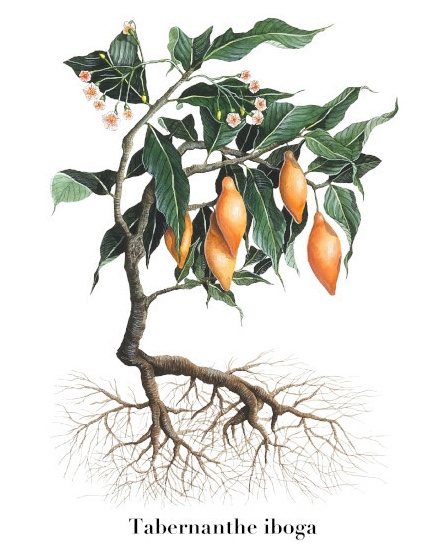
There is a growing tendency to talk about psychedelics as though the substance itself creates the healing.
Take the medicine. Change the brain. Solve the problem.
Human beings are more complicated than that.
A profound psychedelic experience may reveal something. It may interrupt deeply established patterns. It may offer a radically different perspective.
But what happens next matters enormously.
Sooner or later, every person returns to their relationships, habits, environment, responsibilities — their life. This is where preparation, skilled support, psychotherapy where appropriate, integration, community, nature, movement and meaningful human connection become as important as the experience itself.
The medicine may open a door. The person still has to walk through it.
We should also be talking about safety
As global interest in ibogaine expands, there is another issue that cannot be romanticised: ibogaine carries genuine medical risks.
Ancient wisdom should never become an argument for abandoning modern medical safeguards. Equally, modern medicine does not need to discard everything that cannot yet be measured in a laboratory.
Perhaps the future lies somewhere between those two positions.
Science and ancient knowledge do not have to compete
We do not need to choose between scientific understanding and ancestral wisdom. Imagine instead what becomes possible when we approach these medicines with enough humility to value both.
- Science can help us understand pharmacology, physiology, contraindications and risk.
- Psychology can help us understand trauma, behaviour, relationships and integration.
- Traditional knowledge can remind us of reverence, responsibility, community, nature, and the meaning humans have attached to these experiences across generations.
None needs to invalidate the others. The opportunity is integration.
The question is bigger than iboga
This conversation extends far beyond one African plant. We are witnessing growing Western interest in psilocybin, ayahuasca and numerous other traditional plant and fungal medicines.
Again and again, we extract compounds from nature and ask: what can this molecule do for us? Perhaps we should occasionally reverse the question — what can the traditions surrounding these medicines teach us about how human beings heal?
A molecule may be powerful. But a molecule is not a culture.
It is not a community.
It is not psychotherapy.
It is not integration.
It is not nature.
It is not human connection.
And it is not, by itself, the entirety of healing.
As the psychedelic renaissance gathers momentum, perhaps one of our greatest responsibilities is not simply to discover what these medicines can do. It is to remain humble enough to acknowledge how much we still have to learn.
Revela Retreats
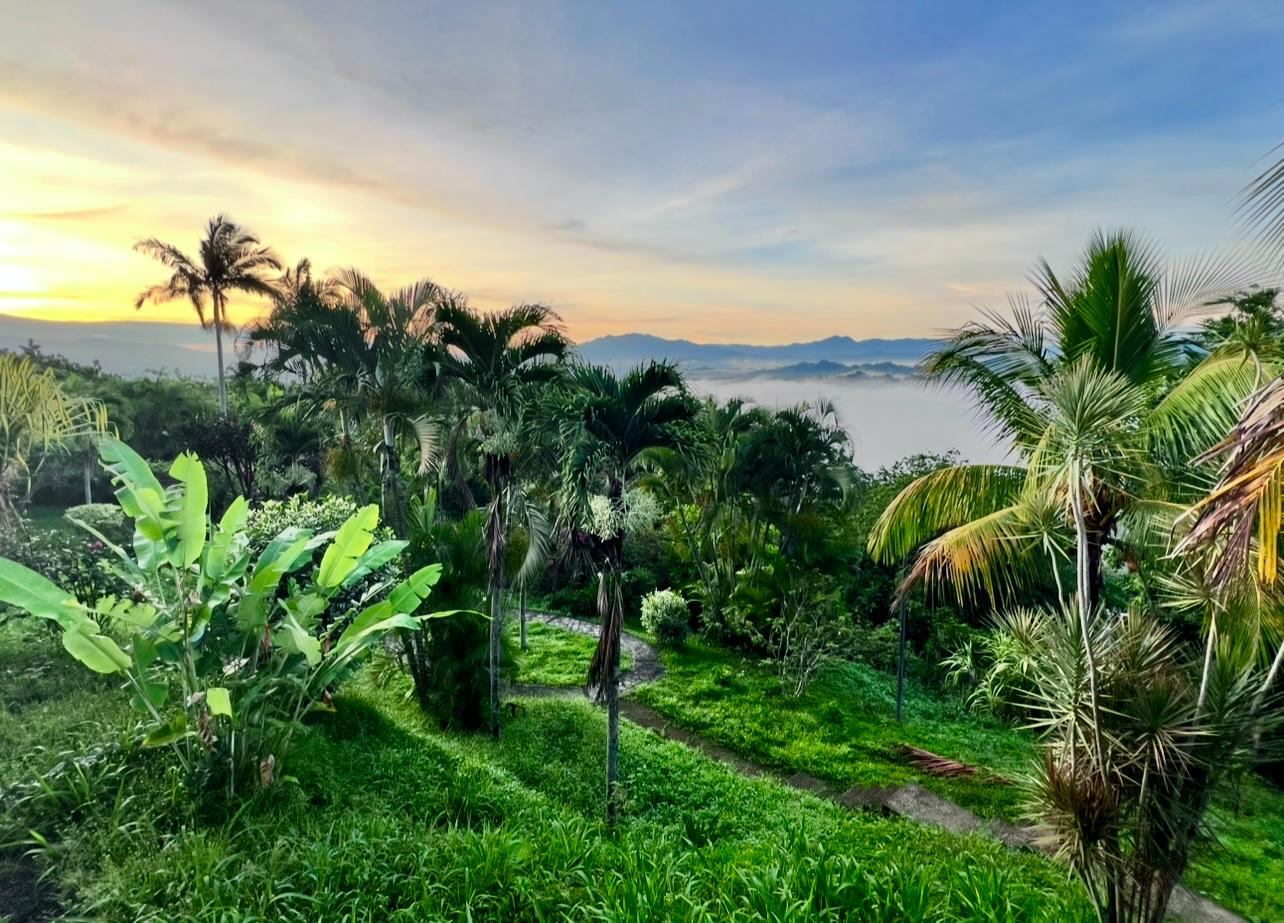
Integrative Health with Nature · The Mountains of Costa Rica