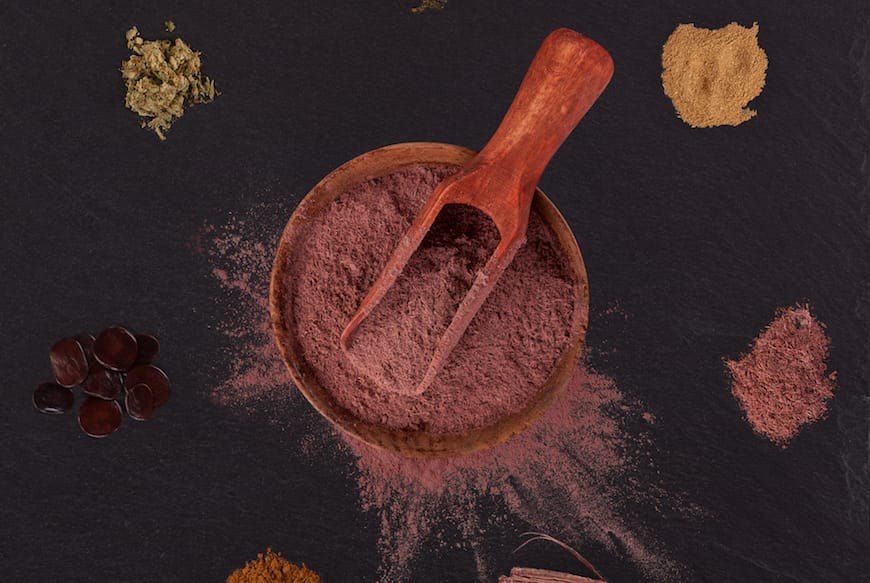
In the weeks before an iboga ceremony, preparation is not a formality. Preparing yourself physically, emotionally, mentally and spiritually is part of the medicine — the more honest work you do beforehand, the safer and more meaningful your experience becomes.
Why preparation matters
Iboga asks a great deal of the body. A journey can last up to 36 hours, peaking for twelve or more, and may reduce your ability to sleep for up to two days afterwards. That is not a reason for fear — it is a reason for respect. You are not preparing for an evening; you are preparing for a passage.
1. Medical screening comes first
This medicine is to be taken seriously. An ECG and health screening before ceremony exist to ensure a smooth and safe experience — iboga can affect the heart, and your screening is where risk is caught before it becomes danger. At Revela, every participant completes a consultation and a medical and psychological screening before a place is confirmed, and some people are declined.
2. Rest is preparation
In the days before ceremony, sleep as much as your life allows. Trade rigorous exercise for restorative movement — gentle yoga, stretching, walking. Be kind to yourself. You are gathering the energy the journey will ask of you.
3. What to eat, and what to avoid
- For at least two to three days before ceremony — longer is better — avoid alcohol, other psychedelics, stimulants, and anything that stresses the liver and adrenals.
- Eat lightly in the final days: less heavy fat and dense meat leaves the body feeling lighter in ceremony.
- Support your minerals — magnesium in particular supports the nervous system and electrolyte balance.
- Iboga can be mildly constipating; probiotics beforehand help, stimulant laxatives don't.
4. Preparing the mind: on suffering and fear
In the Bwiti tradition that carried iboga for generations, healing was never only physical — it embraced emotional and spiritual well-being, and iboga was a rite of passage for facing your own darkness with guidance.
The suffering people describe in ceremony is, in that tradition, what happens when someone fights the medicine. The ego creates the path of suffering; what you resist, persists. Iboga teaches about death and rebirth — how to navigate the depths of your own psyche, reveal limiting beliefs, and meet the trauma that has been running your life. It is only as frightening as your resistance to what it shows you.
Questions people ask before the journey
How do I know if iboga is right for me? Usually, you are called to it — a strong curiosity or a persistent feeling that this medicine has something for you. The call is where it starts, not where it ends: an intake evaluation determines whether you are a good candidate, because certain health conditions and medications mean iboga is not right for you at this time.
I am in twelve-step recovery — is this a relapse? Iboga taken in a screened, supervised setting for healing is not recreational, and its molecular structure is not addictive — researchers worldwide continue to study its capacity to interrupt addiction. How your programme regards it is a conversation for you and the people who support your recovery, and we would encourage having it openly.
How is iboga different from ayahuasca? Ayahuasca, the Amazonian brew often called the Grandmother, tends toward outward, visionary experiences over six to eight hours. Iboga — the Tree of Knowledge, from the forests of Gabon — is more inward: memories, life patterns, deeply personal realizations, over 18 to 36 hours. Many who have worked with both describe iboga as the more direct teacher.
Can iboga cure me? No medicine honestly promises that. Iboga is best described as assisting your own healing — interrupting habitual patterns of thought, emotion and behaviour long enough for you to make real changes. What you do with that opening, and the integration support around it, is where lasting change lives.
What should I expect afterwards? Many people feel more grounded, clear and connected to their intuition — sometimes like night and day, sometimes more subtle. The medicine continues to work for weeks through dreams, emotions and shifting patterns, which is exactly why structured integration follows every Revela ceremony.
Iboga is not a recreational drug to be experimented with. It is a sacred visionary plant medicine, to be worked with under the care of experienced, properly trained guidance — never ordered to your door.
Preparation, screening, ceremony, integration: they are one continuous act of care. Begin yours with honesty — on your intake form, in your consultation, and with yourself.
Revela Retreats
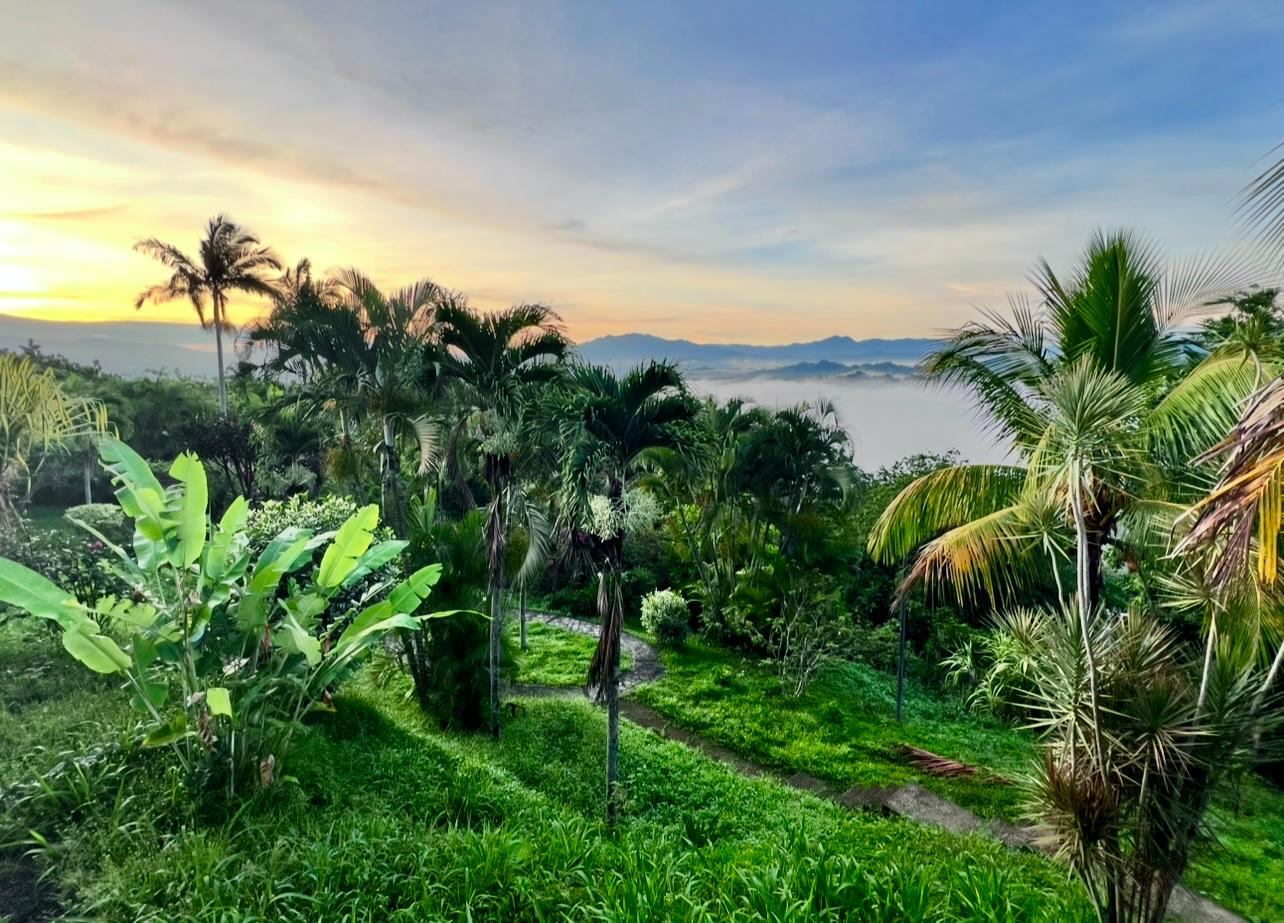
Integrative Health with Nature · The Mountains of Costa Rica